
Microsoft Fabric Overview
Microsoft Fabric is an all-in-one analytics solution that simplifies your data estate by bringing together every aspect of data movement, processing, ingestion, transformation, and real-time analytics.
It unifies industry-leading tools like Power BI, Azure Data Factory, and Azure Synapse into a single, cohesive SaaS (Software as a Service) platform.
What is Microsoft Fabric
One of the key benefits of Microsoft Fabric is its end-to-end integration. It brings together all your data tools from engineering and warehousing to business intelligence into one unified, cloud-based platform.
Fabric provides a wide range of powerful analytical capabilities. These include scalable data pipelines, high-performance SQL warehousing, and advanced AI-driven reporting, as well as the ability to govern your entire data estate from a single location.
Reports and insights can be shared across your organisation via secure workspaces or embedded directly into your existing business applications.
Fabric also provides advanced collaboration features. It allows multiple users to work within the same environment, providing real-time co-authoring and shared data models. It is easy to use, highly scalable, and a valuable solution for businesses and organisations looking to unify their data and share actionable, data-driven insights.
Summary
Microsoft Fabric is an all-in-one analytics platform. It helps users manage the entire data lifecycle, from ingestion and processing to transformation and real-time analytics.
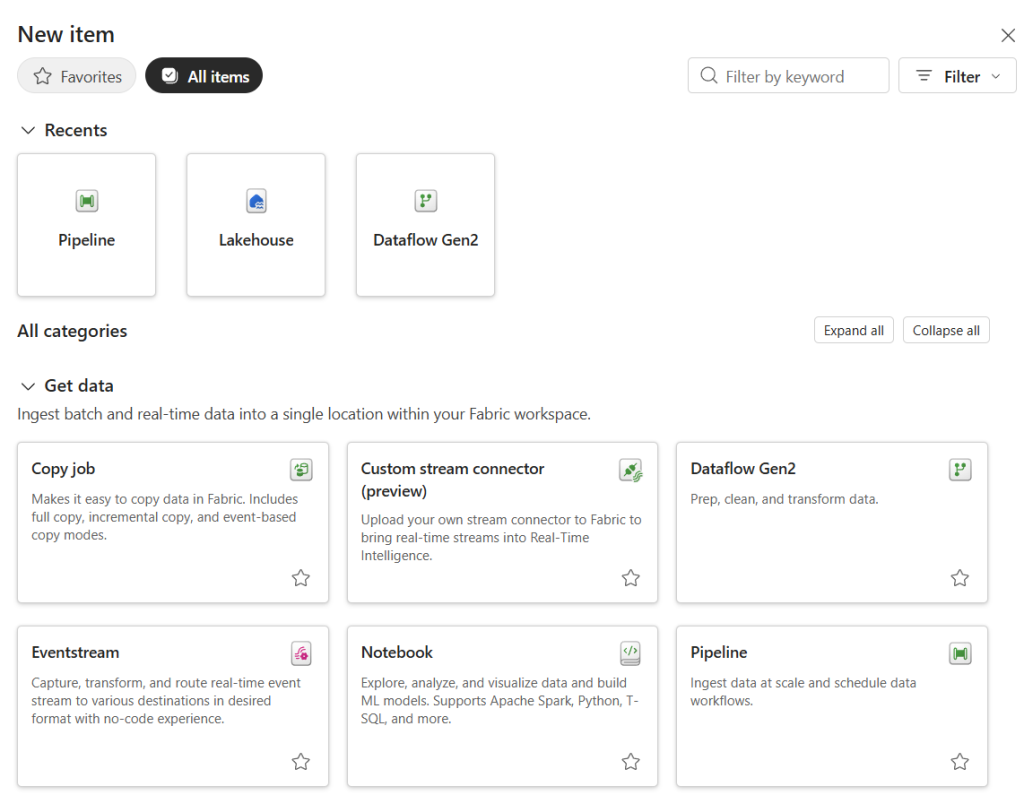
It is a powerful platform that allows users to connect to a vast range of data sources. These include Azure SQL, Data Lake Storage, Amazon S3, and many more. You can unify, transform, and govern your data estate, with advanced capabilities such as AI-powered pipelines, Spark-based engineering, and SQL data warehousing.
The platform also offers deep integration with Power BI, providing users with an advanced and interactive reporting solution that sits directly on top of your unified data.
Explore the Microsoft Fabric platform via the link below.
Please note that Microsoft Fabric is a comprehensive SaaS-based solution designed to replace fragmented legacy tools, providing a single, modern foundation for all your business analytics and AI needs.
Microsoft Fabric Consulting
If you are looking for Microsoft Fabric consulting services, we are here to help.
From end-to-end architecture and dashboard building to remote mentoring, our team is well-positioned to support your data journey.
Helping You Get The Best From Microsoft Fabric
Contact us to discuss your needs and we’ll help you turn your data into clear, meaningful insights.
Frequently Asked Questions
What is Microsoft Fabric and how does it differ from Power BI?
Microsoft Fabric is an all-in-one analytics platform that brings together data engineering, data warehousing, data science, and business intelligence into a single, unified environment.
While Power BI is a tool strictly for visualisation and reporting, Fabric provides the underlying "data factory" that prepares, stores, and governs your data before it reaches your reports.
Why Microsoft Fabric?
Microsoft Fabric eliminates the friction of managing fragmented data tools by unifying data engineering, warehousing, and business intelligence into a single, SaaS-optimised environment. It streamlines your licensing, reduces infrastructure overhead, and allows your team to focus on extracting insights rather than maintaining complex, multi-vendor data pipelines.
Should my organisation migrate to Microsoft Fabric?
Migration is ideal for organisations already using Microsoft tools that want to consolidate their fragmented data estate.
If you are currently managing disparate services across Azure Data Factory, Synapse, and Power BI, Fabric provides a centralised, simplified experience that reduces the complexity of managing multiple vendors and billing cycles.
How does Microsoft Fabric impact data security and governance?
Fabric integrates security and governance at the platform level, allowing you to manage data access consistently across your entire analytics workflow.
By using OneLake, you ensure that data is stored in a single, secure location, enabling you to apply unified permissions and compliance policies without needing to replicate your data across different systems.
What is the difference between OneLake and Azure Data Lake?
OneLake is built on top of Azure Data Lake Storage but serves as the "OneDrive for data" within Fabric.
The primary difference is that OneLake is pre-configured to work automatically across all Fabric workloads, eliminating the need to manually set up and manage individual storage accounts or complex data integration pipelines.
Can I continue to use my existing Power BI reports in Fabric?
Yes. Your existing Power BI reports remain fully compatible with Microsoft Fabric.
You can continue to use them as they are, or you can take advantage of Fabric’s new capabilities such as direct, unified data access and automated pipeline integration to make your reporting faster, more scalable, and easier for your team to maintain.